
Master of Business Administration in Fire/Rescue Executive Leadership
Lead the Department. Protect the Community. Prepare for What's Next.
Fire/rescue executives lead organizations responsible for emergency response, community risk reduction, public safety, emergency management and public trust. Their work extends well beyond the incident scene to include people, budgets, policy, technology, communication and long-term preparedness.
Waldorf University's online Master of Business Administration in Fire/Rescue Executive Leadership combines graduate business education with specialized fire/rescue leadership coursework to help experienced professionals prepare for broader administrative, command and executive responsibility.
Designed for Fire/Rescue Professionals Ready to Lead Beyond the Incident
Waldorf University's online MBA in Fire/Rescue Executive Leadership is designed for professionals who want to pair operational and public-safety experience with the business, leadership and administrative perspective needed to guide a department or emergency-services organization.
The flexible online format allows students to continue working while developing capabilities in leadership, budgeting, crisis communication, human resources, research, community risk reduction and emergency management.
Program Highlights
-
100% online format
-
Flexible learning for working fire/rescue professionals
-
36-credit curriculum
-
15-credit Fire/Rescue Executive Leadership concentration
-
Fire/rescue executive and business leadership focus
-
Coursework in crisis communication, public finance, leadership, community risk reduction and emergency management
Why Pursue an MBA in Fire/Rescue Executive Leadership?
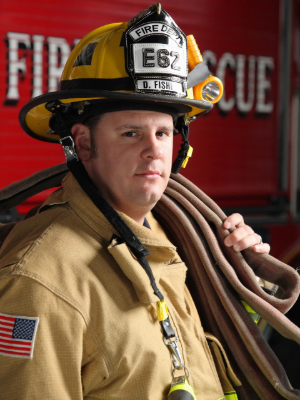
Today's fire/rescue executives must lead both the mission and the organization.
Modern fire and emergency-services leaders are expected to make sound decisions about staffing, budgets, technology, interagency coordination, community risk, emergency planning and public communication. An MBA in Fire/Rescue Executive Leadership brings those responsibilities together, combining graduate business study with coursework developed around the realities of fire/rescue leadership.
Professionals may pursue an MBA in Fire/Rescue Executive Leadership to:
-
Prepare for chief officer, administrative or executive responsibilities
-
Strengthen budgeting, finance and human resource management capabilities
-
Lead teams, develop personnel and guide organizational change
-
Advance community risk reduction, emergency planning and crisis communication
-
Connect operational decisions with policy, public resources and community outcomes
For experienced fire/rescue professionals, the MBA can help expand the focus from operational command to department-wide leadership - where decisions affect personnel, finances, preparedness, community relationships and long-term organizational performance.
MBA in Fire/Rescue Executive Leadership vs. a Master's in Fire Science: What's the Difference?

Both an MBA in Fire/Rescue Executive Leadership and a master's degree in fire science or fire administration can support advanced responsibility, but they approach graduate study differently.
A master's in fire science or fire administration may focus more extensively on fire-service disciplines, operations, administration, prevention, investigation, or related areas. An MBA in Fire/Rescue Executive Leadership places specialized fire/rescue leadership within a broader business and organizational framework.
At Waldorf University, students complete 21 credits of MBA coursework in accounting, crisis communication, human resources, information systems, research, economics, and public finance and budgeting. The 15-credit concentration covers leadership theory, coaching, community risk reduction, emergency management and executive leadership for fire/rescue officers.
MBA in Fire/Rescue Executive Leadership |
Master's in Fire Science or Fire Administration |
|
Combines graduate business study with fire/rescue executive leadership |
Focuses more deeply on fire science, administration or technical topics |
|
Builds knowledge in finance, HR, communication, economics, research, technology and public budgeting |
May deepen study in fire behavior, prevention, investigation, operations or administration |
|
Connects operational decisions with people, budgets, policy, risk and performance |
Connects advanced study to a selected fire-science or administrative discipline |
|
May suit professionals preparing for broader command or executive responsibility |
May suit professionals seeking deeper specialization in fire science or administration |
For professionals whose next step involves leading not only emergency operations but also people, budgets, policy, partnerships and organizational change, Waldorf University's MBA offers a business foundation tailored to the executive responsibilities of the fire/rescue environment.
Fire/Rescue Leadership Requires an All-Hazards Perspective
Fire departments do far more than respond to fires. U.S. Fire Administration data reflects an all-hazards mission shaped by emergency medical and rescue calls, fire response, public education, risk reduction and community preparedness. That breadth requires leaders who can align personnel, resources, data, partnerships and public communication across routine operations and major emergencies.
Fire/Rescue Leadership Outlook
Fire/Rescue Leadership Insight |
Current Outlook |
|---|---|
|
Participating departments |
22,582 fire departments reported to NFIRS in 2024 |
|
Reported incident activity |
More than 33.3 million responses across all incident types were reported in 2024 |
|
EMS and rescue mission |
65.1% of U.S. fire department responses in 2024 |
|
Emergency management openings |
Approximately 1,000 openings per year projected from 2024-2034 |
|
Median annual wage |
$86,130 for U.S. emergency management directors, May 2024 |
Sources: U.S. Fire Administration, About NFIRS (2024 data); U.S. Fire Administration, Fire Statistics
Leading Today's Fire/Rescue Organization
Fire/rescue leaders are responsible for increasingly complex organizations that must balance emergency response with workforce challenges, EMS and rescue demands, firefighter safety, community risk reduction and responsible use of public resources. The scope of that responsibility requires leaders who can connect operational expertise with effective organizational management.
Fire/Rescue Leadership Challenge |
What It Means for Department Leaders |
|
Nearly 200,000 volunteer firefighters have left the fire service since 2008 — a decline of almost 25%. |
Recruitment, retention, succession planning and workforce development have become significant leadership responsibilities. |
|
Fire-department calls have increased approximately 70% since 2008. |
Departments must manage growing service demands while making strategic decisions about staffing, resources, readiness and operational capacity. |
|
About two-thirds of local fire-department calls are now medical-aid calls. |
Fire/rescue executives increasingly lead all-hazards organizations where EMS operations, service coordination and resource allocation are central responsibilities. |
|
53,575 municipal firefighters were injured in 2024, including 16,275 during fireground operations. |
Executive leadership includes responsibility for training, safety systems, risk reduction, personnel well-being and organizational accountability. |
Sources: National Fire Protection Association (NFPA), The Volunteer Crisis and U.S. Firefighter Injuries in 2024; NFPA fire-department response data.

The Waldorf Difference
The Power of AND
Waldorf's MBA in Fire/Rescue Executive Leadership combines graduate business education with focused fire/rescue leadership study. The curriculum helps students connect emergency-services decisions to people, finances, organizational culture, community risk, emergency management and public accountability - building the perspective needed to lead both the mission and the organization.
Lead the Mission AND Manage the Organization
-
Strengthen emergency readiness AND manage public resources responsibly
-
Lead fire/rescue teams AND develop people
-
Reduce community risk AND communicate through crisis
-
Build fire-service expertise AND expand your business perspective
-
Advance your career AND continue working
YOUR LIFE CONTINUES. YOUR EDUCATION DOES TOO.
Who Should Consider This Program?

Waldorf University's MBA in Fire/Rescue Executive Leadership is designed for professionals who want to combine fire/rescue or emergency-services experience with graduate-level business and leadership preparation. It may be especially relevant for company officers, chief officers, training or prevention personnel, administrative managers and other professionals preparing for broader command responsibility.
The program may be relevant across career, combination and volunteer departments, as well as municipal emergency services, fire prevention, community risk reduction, EMS and related public-safety environments. The value comes from applying business and leadership concepts within the context of the organization and community a professional serves.
For experienced responders or technical specialists, the combination of MBA coursework and focused fire/rescue leadership study can help develop the wider perspective needed to manage personnel, budgets, policy, partnerships, public communication and organizational change.
Curriculum Designed for Fire/Rescue Executive Leadership
Executive fire/rescue leadership requires more than operational competence. Waldorf's curriculum combines leadership, coaching, community risk reduction and emergency management with MBA study in finance, personnel, communication, research, technology and public-sector decision-making.
This program is available online only.
Master's Degree Requirements
- Completion of 36-credit hour curriculum
- Minimum 3.00 cumulative GPA
- Grade of B or higher in all required courses and professional electives
MBA With a Fire/Rescue Executive Leadership Concentration Degree Requirements
| Prefix | Number | Course | Credit Hours |
|---|---|---|---|
| ACC | 5301 | Management Applications of Accounting | 3 |
| COM | 5360 | Crisis Communication for Leadership | 3 |
| HRM | 5200 | Human Resource Management | 3 |
| MBA | 5401 | Management Information Systems | 3 |
| MBA | 5652 | Research Methods | 3 |
| MBA | 6053 | Economics for Managers | 3 |
| PA | 5305 | Public Finance and Budgeting | 3 |
| Total Major Requirement Credit Hours: | 21 | ||
| Prefix | Number | Course | Credit Hours |
|---|---|---|---|
| ORG | 5100 | Leadership Theory and Practice | 3 |
| ORG | 6000 | Leadership Development and Coaching | 3 |
| FSC | 6200 | The Fire/Rescue Executive’s Role in Community Risk Reduction |
3 |
| FSC | 6400 | The Fire/Rescue Executive’s Role in Emergency Management |
3 |
| FSC | 6800 | Executive Leadership for Fire/Rescue Officers | 3 |
| Total Concentration Credit Hours: | 15 | ||
| Total Credit Hours: | 36 | ||
Ready to Lead at the Executive Level?
Develop the business perspective and fire/rescue leadership capabilities to guide people, manage public resources, reduce community risk and prepare your organization for what comes next.
MBA in Fire/Rescue Executive Leadership Degree Requirements
Students must complete the 36-credit curriculum with a minimum 3.00 cumulative GPA and earn a B or higher in all required courses and professional electives. Graduate applicants must hold an earned bachelor's degree from a college or university recognized by the U.S. Department of Education. Additional admission, GPA and transcript requirements apply.
For complete admission requirements and current application information, request information or speak with an admissions representative.
Frequently Asked Questions
What can you do with an MBA in Fire/Rescue Executive Leadership?
Depending on experience and agency requirements, potential paths may include fire department administrative manager, chief or deputy chief, fire prevention or inspection leader, training leader, community risk reduction manager, emergency-services administrator or emergency management director.
Do I need to already work in fire or rescue services?
The program is best aligned with professionals who have fire, rescue, EMS, emergency-services or related public-safety experience. It may also fit professionals who work closely with fire/rescue organizations. Individual agencies set their own experience, certification and promotion requirements.
Does earning this MBA qualify me to become a fire chief?
No. The degree can strengthen leadership preparation, but it does not qualify or guarantee anyone for a fire chief position. Department requirements may include experience, rank progression, certifications, education and demonstrated leadership.
How is Fire/Rescue Executive Leadership different from Emergency Management Leadership?
Fire/Rescue Executive Leadership focuses on managing fire and rescue organizations, including personnel and community risk reduction. Emergency Management Leadership is broader, addressing preparedness, mitigation, response and recovery across hazards and organizations.
Explore Related Programs
Lead with Purpose. Serve with Impact.
Build the business and fire/rescue leadership capabilities to guide your organization and strengthen the community it serves.